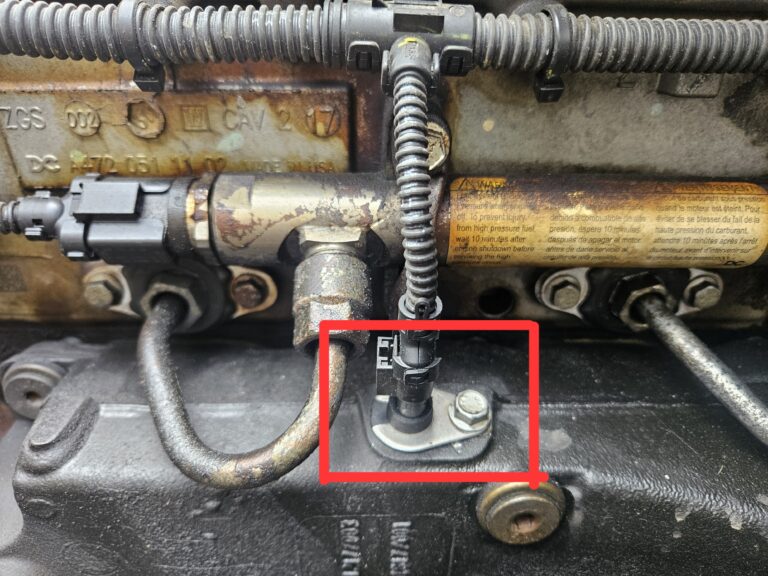
Volvo D13 Excessive Crankcase Pressure Symptoms, Causes, and Fixes
Volvo D13 excessive crankcase pressure is a common issue on higher-mileage engines and can indicate anything from a restricted crankcase ventilation system to serious internal engine wear. If left unaddressed, excessive crankcase pressure can lead to oil leaks, seal failures, increased oil consumption, and costly engine repairs.
If you notice oil leaks appearing suddenly or oil being pushed from the breather tube, it’s important to diagnose the cause of the Volvo D13 excessive crankcase pressure condition before additional damage occurs.
What Is Crankcase Pressure?
During normal engine operation, a small amount of combustion gases escapes past the piston rings and enters the crankcase. This is known as blow-by.
The crankcase ventilation system is designed to remove these gases and maintain proper crankcase pressure.
When the amount of blow-by exceeds the system’s ability to vent it, crankcase pressure rises.
Common Symptoms of Excessive Crankcase Pressure
- Oil leaks around engine seals and gaskets
- Oil pushed from the breather tube
- Oil residue around the crankcase filter housing
- Increased engine oil consumption
- Oil seepage from valve cover gasket
- Oil leaks around front or rear main seals
- Visible blow-by from the breather
- Oil contamination on engine components
- Check engine light in some cases
1. Restricted Crankcase Breather Filter
The most common cause of excessive crankcase pressure on a Volvo D13 is a restricted crankcase ventilation filter.
As the filter becomes clogged, crankcase gases cannot escape properly.
This causes pressure to build inside the engine.
Common signs include:
- Gradually increasing oil leaks
- Oil around the breather assembly
- High crankcase pressure readings
Many crankcase pressure complaints are resolved by servicing the breather system.
2. Excessive Piston Ring Wear
Worn piston rings allow more combustion gases to pass into the crankcase.
As blow-by increases, crankcase pressure rises.
Additional symptoms may include:
- Increased oil consumption
- Blue exhaust smoke
- Reduced engine performance
- Hard starting
- High engine mileage
Piston ring wear becomes more common as engine hours and mileage accumulate.
3. Cylinder Liner Wear
Excessive liner wear can create the same symptoms as worn piston rings.
As clearances increase, combustion gases escape into the crankcase more easily.
This condition often develops gradually over time.
4. Damaged Pistons
Cracked or damaged pistons can significantly increase blow-by.
Although less common than ring wear, piston damage can rapidly elevate crankcase pressure.
Possible signs include:
- Heavy blow-by
- Loss of power
- Excessive smoke
- High oil consumption
5. Plugged Crankcase Ventilation Components
In addition to the breather filter, hoses and ventilation passages can become restricted.
Inspect:
- Breather hoses
- Ventilation fittings
- Crankcase filter housing
- Associated plumbing
Restrictions anywhere in the system can contribute to excessive pressure buildup.
6. Overfilled Engine Oil
Adding too much engine oil can increase crankcase aeration and create ventilation issues.
Always verify the oil level before pursuing more complex repairs.
While overfilling rarely causes severe crankcase pressure by itself, it can worsen existing problems.
7. Turbocharger Seal Problems
In some cases, turbocharger seal failures may contribute to oil-related symptoms that resemble excessive crankcase pressure.
Drivers may notice:
- Oil leaks
- Increased oil consumption
- Oil residue in intake piping
- Exhaust smoke
Proper diagnosis is important before assuming internal engine damage.
How to Check for Excessive Crankcase Pressure
Several methods can help identify the source of the problem.
- Inspect the crankcase breather filter.
- Check for oil leaks around seals and gaskets.
- Look for excessive blow-by at the breather.
- Verify proper oil level.
- Inspect ventilation hoses for restrictions.
- Measure crankcase pressure if equipment is available.
- Perform a cylinder leakage test if excessive blow-by is suspected.
Can You Continue Driving?
That depends on the severity of the condition.
If the problem is caused by a restricted breather filter, continued operation may be possible for a short period.
However, excessive crankcase pressure can eventually cause:
- Front seal failure
- Rear main seal failure
- Major oil leaks
- Increased oil consumption
- Engine damage
If significant blow-by is present, repairs should not be delayed.
Common Repairs
- Replace crankcase breather filter
- Clean restricted ventilation components
- Repair damaged ventilation hoses
- Correct overfilled oil level
- Repair turbocharger issues
- Replace worn piston rings
- Perform engine overhaul when necessary
When Is Excessive Crankcase Pressure a Sign of Engine Wear?
Excessive blow-by combined with:
- High oil consumption
- Blue smoke
- Loss of power
- High mileage
- Persistent pressure after breather replacement
often indicates internal engine wear rather than a ventilation problem.
Further testing may be required to determine the condition of the rings, liners, and pistons.
Frequently Asked Questions
What is the most common cause of excessive crankcase pressure on a Volvo D13?
A restricted crankcase breather filter is one of the most common causes.
Can excessive crankcase pressure cause oil leaks?
Yes. Increased pressure can force oil past seals and gaskets throughout the engine.
How do I know if my piston rings are worn?
Signs often include excessive blow-by, oil consumption, blue smoke, and high crankcase pressure.
Can a plugged breather filter cause high crankcase pressure?
Yes. A clogged breather restricts ventilation and allows pressure to build inside the engine.
Is excessive blow-by always a sign of engine failure?
No. Many cases are caused by ventilation system restrictions rather than severe internal engine wear.
Related Volvo D13 Problems
- Volvo D13 Not Building Boost: Common Causes and What to Check First
- Volvo D13 Poor Fuel Mileage: 10 Common Causes
- Volvo D13 Won’t Start / Cranks But Won’t Start
- Volvo D13 Using Too Much DEF
- Volvo D13 High Exhaust Temperature Warning
- Volvo D13 Low Oil Pressure Warning: What to Check First
- Volvo D13 Dashboard Warning Lights Explained